


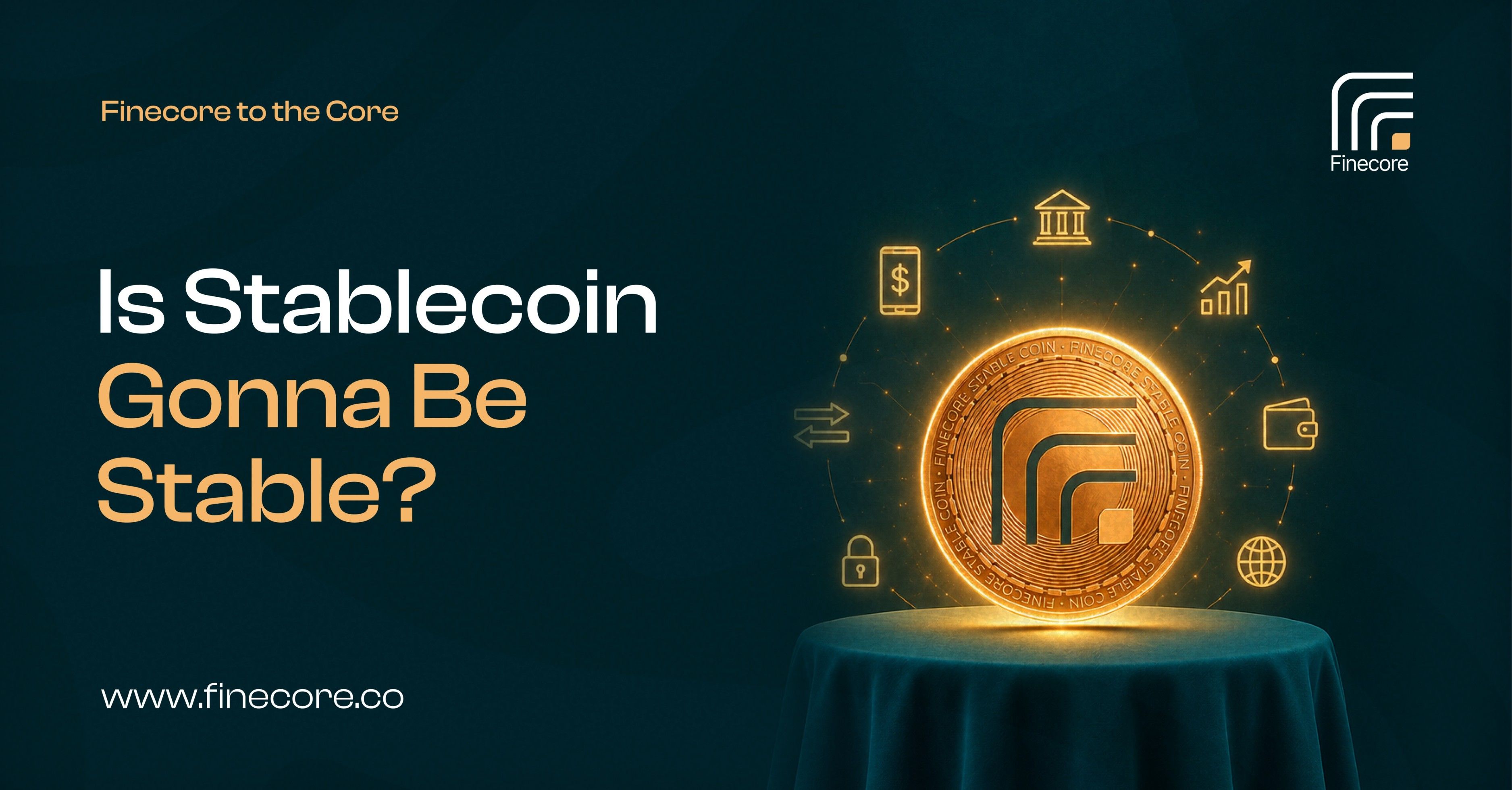
Is Stablecoin Actually Going Be Stable?
As a founder running a tech company in Accra, a finance lead managing supplier payments in Bogotá, or a merchant trying to source inventory from across the globe, you already know the raw, stomach-aching anxiety of watching your profit margins evaporate while waiting for a traditional bank transfer to clear. You hit "send" on a Thursday, and by Monday morning, you are writing a larger check just to cover the exact same invoice.
When people ask, "Is stablecoin actually going to stay stable?" they aren't asking out of academic curiosity. They are asking because their business survival depends on the answer.
Let’s take a step back and strip away the confusing technical jargon. At its absolute core, a stablecoin is simply digital money designed to mimic the value of a steady, real-world asset - usually the US Dollar. Think of it as a digital twin of the dollar that lives on the internet. It doesn't ride the chaotic, speculative rollercoaster of typical cryptocurrencies. One digital dollar equals one physical dollar, backed by actual cash reserves and transparent government bonds held securely in institutional vaults.
But why should an enterprise care?
Because global liquidity is quietly moving away from traditional banking systems. Recent market data shows that the global stablecoin supply has climbed past $160 billion, with these digital systens settling trillions of dollars in value annually. That matches the transaction volume of legacy credit card processors like Visa - not because people are speculating, but because modern businesses are using it as an operation to protect their cash flow.
It’s completely natural to have doubts. We’ve all seen the headlines about failed experimental tech projects in the past. But the trend has completely shifted from hype to heavy infrastructure. Today’s dominant stablecoins (like USDT and USDC) are regular components of global corporate treasuries. They provide stability because they swap out fragmented regional interbank networks for direct, 24/7 velocity.
When you look at the future benefits, the argument for staying on old systems falls apart. Sub-Saharan cross-border finance carries an average 6% to 7% hidden fee just to move cash. But the real disaster is the time debt. By choosing to settle payments using digital dollars, you completely bypass the multi-day clearing loops. Money moves like code - arriving in minutes and allowing your finance team to maintain complete transparency over exchange rates before a transaction even begins.
The best time to protect your financial core from currency volatility was a year ago; the second best time is today. At Finecore, we built our stablecoin infrastructure so you don't have to spend years chasing legal licenses or begging traditional networks for integration keys. Through a single setup, your engineering team can deploy secure, compliant digital dollar rails and start protecting your margins in less than two weeks.
We are stripping away the confusion and laying down the unscripted truth about digital dollar infrastructure later in the month of July on our X Space (@finecoreHQ). If you want to hear exactly how top founders and finance leads are using these systems to secure operational sanity, you need to be in the room.
Stop letting traditional banking hours dictate your growth. Let’s fix the foundation before the next market shift happens.
Deploy the Core: finecore.co
✉️ Talk directly to our product team: [email protected]
Written by Victoria Pabiekun Communications & Marketing Associate, Finecore